
Smartwatches have become an essential part of modern technology, blending the convenience of a traditional wristwatch with advanced computing capabilities. But what exactly is considered a smartwatch? This guide explores the defining features, history, and current trends of smartwatches to help you understand their role in today’s connected world.
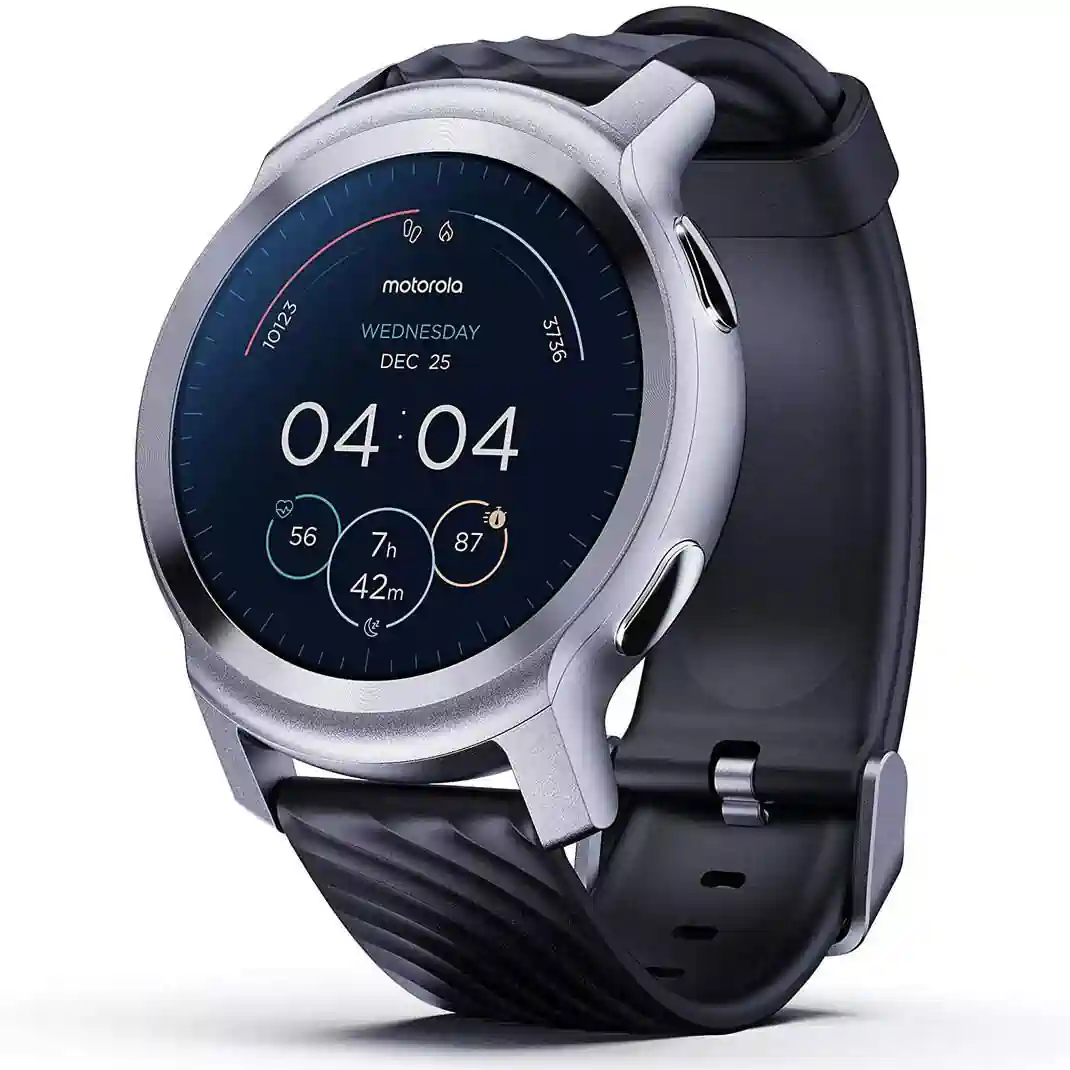
For more related insights, check Motorola Moto Watch 100 1.Webp.
Defining a Smartwatch
A smartwatch is a wearable device designed to be worn on the wrist, combining the functions of a traditional watch with those of a small computer. Unlike regular digital or analog watches, smartwatches offer advanced features such as connectivity, health monitoring, and app integration.
At its core, a smartwatch provides the ability to access notifications, make and receive calls, track fitness data, and run various apps. These devices are typically connected to a smartphone via Bluetooth or cellular networks, enabling real-time data synchronization and communication.
Key Features That Define a Smartwatch
- Connectivity: Most smartwatches connect to smartphones using Bluetooth. Some models also include LTE or 3G modems, allowing independent cellular connectivity for calls and data access.
- Display: Smartwatches feature digital displays, often touch-sensitive, ranging from simple monochrome screens to vibrant color AMOLED or OLED panels.
- Health and Fitness Tracking: Sensors monitor heart rate, steps, sleep, and other health metrics. Advanced models include GPS for outdoor activity tracking and even electrocardiogram (ECG) capabilities.
- Apps and Operating Systems: Smartwatches run specialized operating systems such as Wear OS, Tizen, or proprietary platforms, supporting a variety of apps for messaging, navigation, music, and more.
- Battery Life: Battery performance varies widely, with some devices lasting a full day and others extending to several days depending on usage and features.
Historical Context of Smartwatches
The concept of a smartwatch dates back to the early 1980s with devices like the wrist terminal and wrist watch pager. These early models were limited in functionality but laid the groundwork for future development.
In the 2000s, companies like Citizen Watch Co. and Casio introduced digital watches with some smart features, but it was not until the 2010s that smartwatches gained widespread popularity. The launch of devices such as the Moto 360 and Samsung Gear series marked significant advancements in design and capability.
The Apple Watch, announced in 2014 and released in 2015, set new standards for smartwatches by integrating health monitoring, seamless app connectivity, and a user-friendly interface. Since then, smartwatches have evolved rapidly, with improvements in battery life, display technology, and health sensors.
Current Capabilities and Uses
Today, smartwatches serve multiple functions beyond telling time. They are designed to enhance daily life through:
- Health Monitoring: Devices can track heart rate, blood oxygen levels, sleep patterns, and even detect irregular heart rhythms. The Warren Alpert Medical School and other institutions have studied these capabilities for their potential in healthcare.
- Communication: Smartwatches allow users to make calls, send messages, and receive notifications without needing to access their phones directly.
- Fitness Tracking: GPS and motion sensors enable accurate tracking of running, cycling, swimming, and other activities, often integrated with apps like Strava.
- Productivity: Integration with apps such as MS Outlook allows users to manage calendars, emails, and reminders efficiently.
- Customization: Users can personalize watch faces, install apps, and adjust settings to match their preferences and lifestyle.
Operating Systems and Software
Smartwatches run on various operating systems, each offering unique features and app ecosystems. Some notable platforms include:
- Wear OS: Developed by Google, Wear OS supports a wide range of apps and integrates well with Android devices.
- Tizen: Used by Samsung in its Gear and Galaxy Watch series, offering smooth performance and extensive health features.
- Proprietary Systems: Apple Watch runs on watchOS, a dedicated operating system optimized for Apple devices.
- Open Source Options: Platforms like AsteroidOS and InfiniTime cater to enthusiasts seeking customizable and privacy-focused alternatives.
Choosing a Smartwatch in 2024
When selecting a smartwatch, consider the following factors to ensure it meets your needs:
- Compatibility: Ensure the device works seamlessly with your smartphone’s operating system.
- Features: Prioritize features such as GPS, LTE connectivity, health sensors, or app availability based on your lifestyle.
- Battery Life: Look for a balance between functionality and battery endurance, especially if you require all-day use.
- Design and Comfort: Since smartwatches are worn daily, choose a design that suits your style and feels comfortable.
- Price: Smartwatches range from affordable fitness bands to premium devices with advanced capabilities.
FAQs About Smartwatches
1. What differentiates a smartwatch from a fitness tracker?
While fitness trackers primarily focus on health and activity monitoring, smartwatches offer a broader range of functions including app support, communication, and customizable interfaces.
2. Can smartwatches operate independently from smartphones?
Many smartwatches require a smartphone connection for full functionality, but models with LTE or 3G modems can operate independently for calls and data.
3. How long does a smartwatch battery typically last?
Battery life varies by model and usage but generally ranges from one day to several days. Advanced features like GPS and LTE can reduce battery life.




Leave a comment